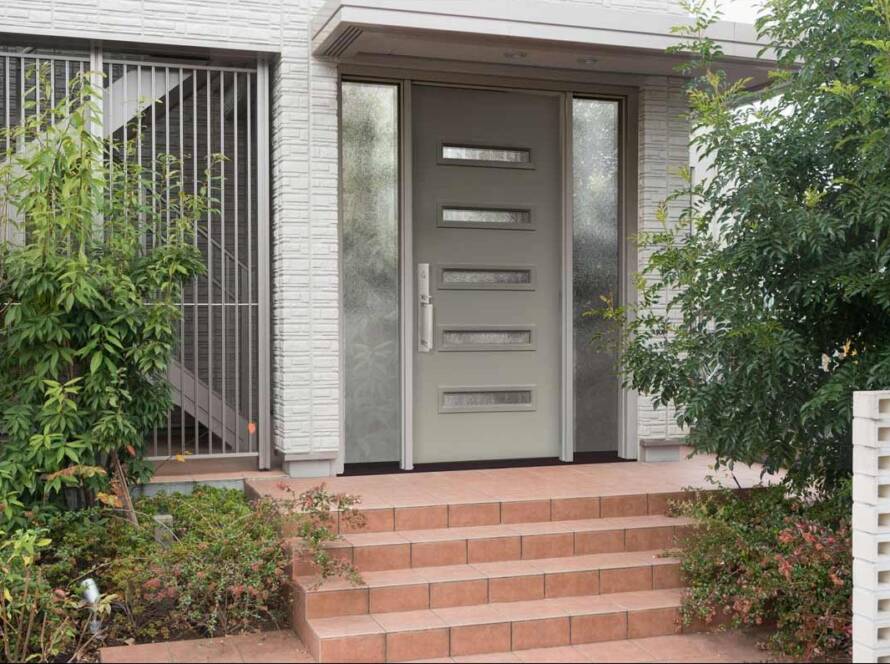
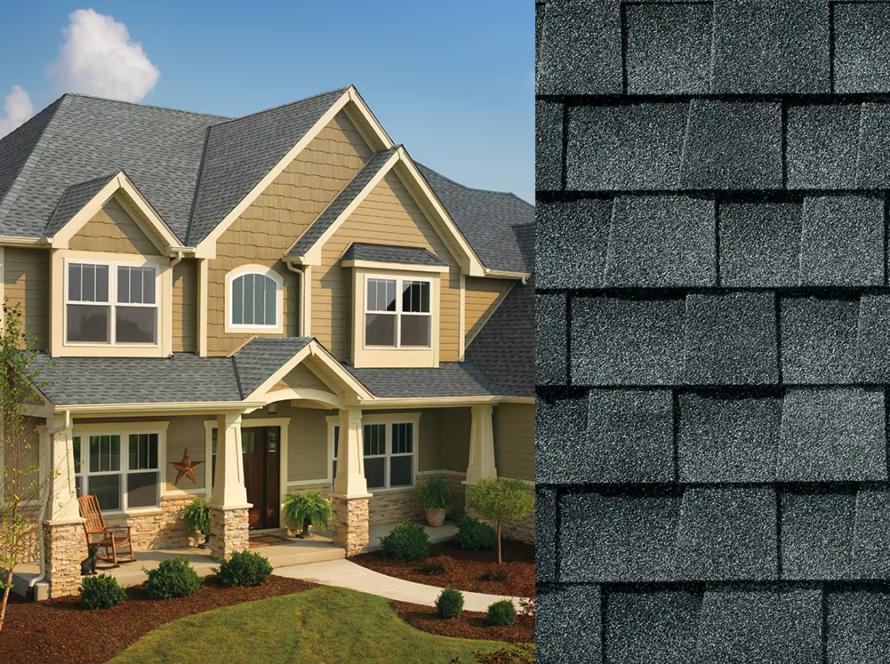
A full-view storm door uses glass from top to bottom, so it protects your entry door and lets in maximum light and views. Andersen makes some of the best full-view storm doors available — here’s how they work and which model to choose.
What Is a Full-View Storm Door?
Unlike partial-view doors that have a solid lower panel, a full-view storm door is glass top to bottom. That means an unobstructed view of your front entry, more natural light in your foyer, and a clean, modern look. Andersen offers two full-view styles:
- Fullview Interchangeable — swap the glass panel for an insect screen by hand when you want ventilation.
- Fullview Retractable — a hidden insect screen rolls out on demand and tucks back into the frame, so glass and screen live in one door.
Want screens explained in depth? See our Andersen retractable screen storm doors guide.
Full-View vs Partial-View: What You Gain and Give Up
| Full-View | Partial-View (Ventilating) | |
|---|---|---|
| Glass area | Top to bottom | Upper portion only |
| Light into foyer | Maximum | Moderate |
| Shows off entry door | Yes — fully visible | Partially hidden |
| Kick panel protection | None | Solid lower panel |
| Best for | Decorative entry doors, dark foyers | High-traffic doors, homes with pets |
The decision usually comes down to one question: did you spend money on your entry door? If you installed a decorative fiberglass or steel door with glass and a nice finish, a partial-view storm door covers the bottom third of it. Full-view keeps it visible.
The counter-case is wear. A solid lower panel takes the scuffs from shoes, pets, and deliveries. On a busy side or back entry, partial-view is often the more practical choice.
Interchangeable vs Retractable Screens
Both full-view styles give you ventilation, but they get there differently, and the day-to-day experience is not the same.
Interchangeable doors come with a glass panel and a screen panel. You physically swap them — glass in for winter, screen in for summer — and store the unused panel. The upside is simplicity and a lower price; there is less mechanism to maintain. The downside is that you handle a full-size panel twice a year and need somewhere to keep the spare.
Retractable doors keep both in the door at once. The screen lives rolled up in the frame and pulls down when you lower the glass. Nothing to store, nothing to swap, and you can go from sealed to ventilated in seconds on the first warm day in March. The trade-off is a higher price and a moving component.
For most front entries where the door is opened daily and seasons change fast, retractable is worth the difference. For a secondary entrance used mainly in one season, interchangeable is the sensible pick.
Which Andersen Series Offers Full-View?
All three Andersen storm door series come in full-view models:
- 6 Series — smart value, 1¼” frame.
- 8 Series — most popular, 1½” frame, dual closers.
- 10 Series — top of the line, SmoothControl™ Plus closer.
For a side-by-side breakdown, read our Andersen 6 vs 8 vs 10 Series guide.
Colors & Hardware
Andersen full-view storm doors come in colors like White, Almond, Sandtone, Terratone, Bronze, Black, and Charcoal Gray, with multiple hardware styles and finishes to match your entry door.
A practical tip on color: matching the storm door to the trim rather than the entry door usually looks better. A white storm door against white trim visually recedes and lets the entry door stay the focal point. A storm door in a contrasting color draws the eye to the storm door itself — which defeats the purpose of choosing full-view in the first place.
Do Full-View Storm Doors Cause Heat Buildup?
This question comes up with fiberglass and steel entry doors, and it is a fair one. A glass storm door in front of a dark entry door on a south-facing wall creates a small greenhouse in the gap between them, and sustained high temperatures there can affect some entry door finishes.
In practice it is rarely a problem in our climate on typical installations, but it is worth raising if your entry is dark-colored and gets direct afternoon sun. Ventilating the gap by switching to the screen in summer solves it, and retractable screen models make that effortless.
Installation Notes
Storm doors look like a simple add-on and are frequently installed badly. The frame has to be fitted square to the existing brickmould, the closers have to be positioned so the door does not slam or hang open in wind, and the sweep at the bottom has to seal against the sill without dragging.
Getting the closer setup right is what determines whether the door still works properly in five years. On the 8 and 10 Series, dual closers share the load; the 10 Series SmoothControl™ Plus system is rated considerably stronger than a standard closer and gives the most consistent latch over time.
Frequently Asked Questions
Do storm doors actually save energy?
They add an insulating air gap and cut air infiltration around an older entry door, which helps. If your entry door is new and well-sealed, the energy benefit is modest — the bigger reasons to add one are ventilation, weather protection, and light.
Can a full-view storm door be used with a screen door I already have?
No — full-view Andersen doors are complete units with their own glass and screen system. They replace an existing storm or screen door rather than working alongside it.
How long do storm doors last?
A quality aluminum-framed door properly installed will typically serve 15-25 years. Closers and sweeps are the wear items and are replaceable.
Which Andersen series is best for a windy exposure?
The 8 or 10 Series. The heavier 1½” reinforced frame and dual closers handle wind loading better than the 6 Series, and the 10 Series closer is the strongest of the three.
Doing the Whole Front of the House?
A storm door is the smallest line item on an exterior project. If you are already looking at the entry, the upgrades that actually change how the house looks are siding and roofing.
- Siding replacement — compare the options in James Hardie vs vinyl siding.
- Roof replacement — see metal vs shingle, or flat roof systems for a rowhome.
- Stone facade accents — an entry surround in manufactured stone veneer transforms a plain front.
Doing them together means one crew, one schedule, and roof-to-wall flashing handled properly rather than left to the next contractor.
Installation in Philadelphia, PA & NJ
ProView Construction installs Andersen full-view storm doors across Philadelphia, Pennsylvania, and New Jersey for a clean, weather-tight fit. Explore our Andersen storm doors, browse entry doors to pair with them, then request a free quote or call 215-259-8886.