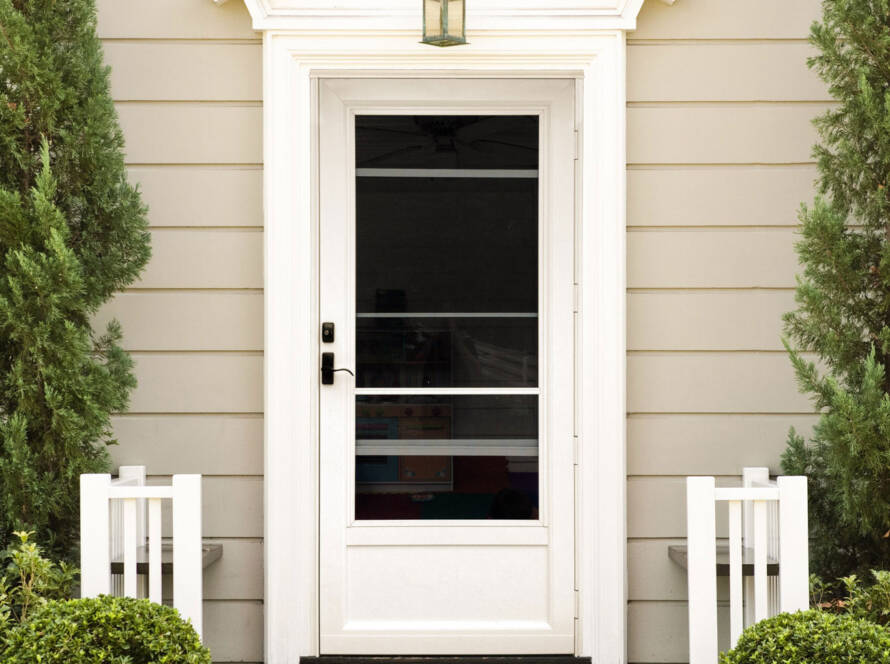
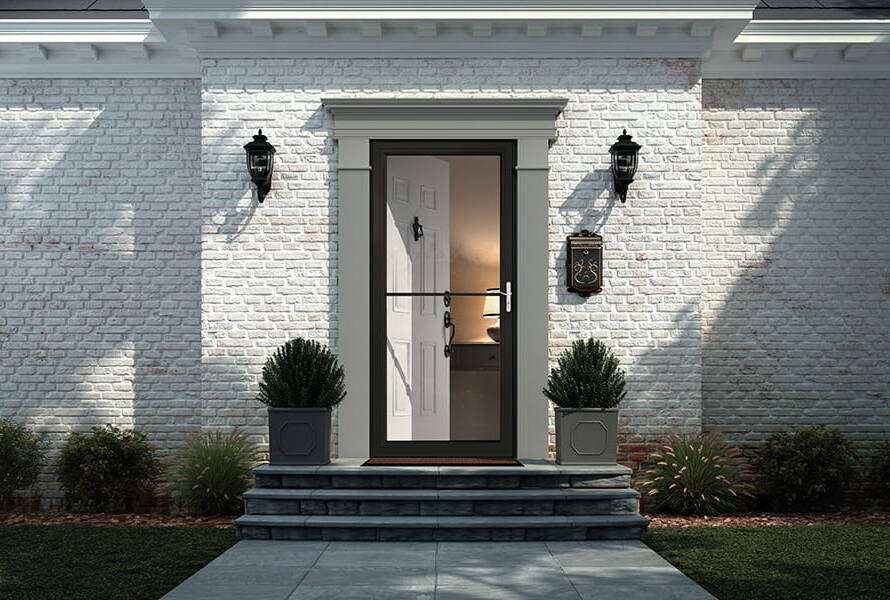
Andersen makes two of the most popular patio door lines in America: the 200 Series and the 400 Series. Both come as smooth-rolling gliding (sliding) doors and swing-style hinged (French) doors — but they’re built for different budgets and design goals. Here’s how the Andersen 200 and 400 Series patio doors compare so you can choose with confidence.
200 vs 400 Series: Quick Comparison
| Andersen 200 Series | Andersen 400 Series | |
|---|---|---|
| Positioning | Best value | Premium best-seller |
| Gliding (sliding) | Narroline® gliding door | Frenchwood® gliding door |
| Hinged (French) | 200 Series hinged | Frenchwood® hinged door |
| Material | Wood core, low-maintenance exterior | Wood core with richer options & sizes |
| Color / size options | Core options | Expanded colors, sizes & hardware |
| Panel configurations | Two-panel | Two, three & four panel |
| Best for | Great looks on a smart budget | Larger openings & high-end finishes |
What Both Series Share
Both lines are built on a wood core with a low-maintenance exterior, both use Andersen’s Low-E4® insulating glass as standard, and both carry the same Andersen warranty structure. Neither needs the scraping and repainting that a traditional all-wood door demands.
So the choice is not about build quality. It is about how large the opening is, how many configurations you need, and how far you want to go on finishes and hardware.
Andersen 200 Series Patio Doors — Best Value
The 200 Series is Andersen’s value line — the same trusted wood construction and clean styling, focused on the most popular configurations. The Andersen 200 Series gliding patio door (Narroline) slides smoothly and saves floor space, making it ideal for decks, patios, and tighter rooms. Prefer a swing door? The 200 Series hinged patio door gives you a classic French-door look for less. Choose the 200 Series when you want genuine Andersen quality at the friendliest price.
The 200 Series fits the common case very well: a standard-width opening onto a deck or yard, a white or sandtone exterior, and a straightforward two-panel configuration. That describes most patio door replacements in the Philadelphia area, which is why the value line is often the right answer rather than a compromise.
Its limits show up with size and finish. Wider openings, three- and four-panel runs, deeper exterior colors, and upgraded hardware all push you toward the 400 Series.
Andersen 400 Series Patio Doors — Premium Best-Seller
The 400 Series is Andersen’s most popular premium line, built for homeowners who want more size, color, and hardware choices. The Andersen 400 Series Frenchwood gliding door combines the wide-open glass of a slider with the elegant look of a French door, while the 400 Series Frenchwood hinged door delivers a true swinging French patio door with premium detailing. If you have a large opening or want top-tier finishes, the 400 Series is the upgrade to make.
Frenchwood is the styling that sets the 400 Series apart — wider stiles and rails give the door the proportions of a real French door rather than a slider with grilles stuck on. On a gliding unit that means you get French-door looks without sacrificing floor space, which is why it is the most-specified patio door in the line.
The 400 Series also matches the 400 Series windows, so a wall with a patio door flanked by windows can share one exterior color, one grille pattern, and one hardware finish.
Gliding vs Hinged: Which Style?
- Gliding (sliding) doors slide along a track, save space, and suit modern homes and tighter layouts.
- Hinged (French) doors swing open for a wide, welcoming entry and a timeless, traditional look.
The deciding factor is usually clearance. A hinged pair needs roughly one panel’s width of clear swing space — inside the room for an inswing door, or outside on the deck for an outswing. If a dining table, a sofa, or deck furniture sits in that arc, gliding is the practical answer.
When the space does exist, hinged doors give you the full opening. Both panels swing wide for moving furniture or opening a room to the patio in summer. A gliding door only ever gives you half the opening, since one panel is fixed.
Weather sealing tilts slightly to hinged doors, because a latched swinging door compresses against its weatherstrip while a sliding panel seals along a track. Both perform well; the difference matters most on very exposed elevations.
Sizes and Panel Configurations
Standard two-panel patio doors cover most replacements. Beyond that, the 400 Series opens up three- and four-panel configurations for wide openings, and gliding units can be specified with different fixed and operating panel arrangements.
One practical warning: widening an existing opening is not a door decision, it is a framing decision. A wider opening needs a properly sized header, and on a load-bearing wall that means structural work priced separately from the door. If you are considering going wider, raise it at the measurement visit so it is in the quote rather than a surprise mid-project.
Hardware, Screens and Security
Hardware ranges from simple contemporary levers to substantial traditional handle sets, in finishes including satin nickel, oil-rubbed bronze, brass, white, and black — with the broader selection on the 400 Series.
On security: hinged Frenchwood doors are available with multipoint locking, which engages the frame at several points along the height of the door rather than at a single deadbolt. That is a genuine security and sealing upgrade, and it answers the common worry that French doors are the weak point of a house.
Screens differ by style. Gliding doors use a sliding screen panel; hinged doors are available with hinged or retractable screens that stay hidden until you need them.
What Drives the Price Difference
Series choice sets the baseline, but these factors move the total on either line:
- Panel count — a three- or four-panel door costs substantially more than a two-panel.
- Hinged vs gliding — hinged French units generally carry a premium at the same width.
- Glass package — upgraded Low-E earns its keep on south- and west-facing walls.
- Grilles and colors — divided-light patterns and non-standard exterior colors add per-unit cost.
- Structural work — any change to the opening size is separate carpentry.
For the full picture on budgeting, see our Andersen windows and patio doors cost guide.
How to Choose
- Budget-first: Andersen 200 Series — the smart-value pick in gliding or hinged.
- Premium & big openings: Andersen 400 Series — more sizes, colors, and hardware.
- Space-saving: gliding. Classic curb appeal: hinged French.
- Matching a window project: 400 Series, so finishes and grilles line up across the wall.
Set on the French-door look? Our Andersen Frenchwood guide goes deeper on styling and grille patterns.
Frequently Asked Questions
Can I replace a sliding patio door with a hinged French door?
Usually yes. If the existing rough opening matches a standard hinged size it is a straightforward swap; if not, the opening is reframed. This gets assessed during the measurement visit.
Are Andersen patio doors energy efficient?
Both series use Low-E4 insulating glass as standard, which is a large upgrade over an older aluminum or single-pane slider. Upgraded glass options are available where sun exposure is heavy.
Do Andersen patio doors come with screens?
Yes — gliding doors use a sliding screen panel, hinged doors are available with hinged or retractable screens.
How long does patio door installation take?
A straight swap into an existing opening is typically a single day. Reframing, header work, or a multi-panel unit extends that.
Which series holds up better in Philadelphia winters?
Both use the same wood-core construction and perform comparably. Long-term performance depends far more on installation quality — flashing, sill pan, and a level threshold — than on which series you pick.
Doing More Than the Door?
A patio door replacement usually opens up the back of the house — which is the moment most homeowners realise the siding around it is tired.
There is a sequencing reason to decide now: siding trim and flashing wrap the door opening, so doing both together means the detail is executed once rather than reworked later. The same applies to the roof if it is near the end of its life.
- Siding replacement — compare in James Hardie vs vinyl siding.
- Roof replacement — see metal vs shingle or flat roof systems.
- Stone facade accents — see stone veneer compared.
Andersen Patio Door Installation in Philadelphia, PA & NJ
ProView Construction is a certified Andersen installer serving Philadelphia, Pennsylvania, and New Jersey. We help you compare the 200 and 400 Series in person, measure precisely, and install for a clean, weather-tight fit. Browse all of our patio & sliding doors, then request a free quote or call 215-259-8886.